In the field of Assisted Reproduction, the concept of anonymity has evolved from being a solid contractual pillar to becoming a term with great semantic and legal variability. What was guaranteed decades ago by sealing clinical records now faces a technological reality that transcends national laws: the rise of global genetic databases.
1. Legislative Variability: A Global Mosaic
Anonymity is not an absolute value; rather, it depends directly on the prevailing legislation in each country (Calhaz-Jorge et al., 2024). Currently, we are facing three main scenarios:
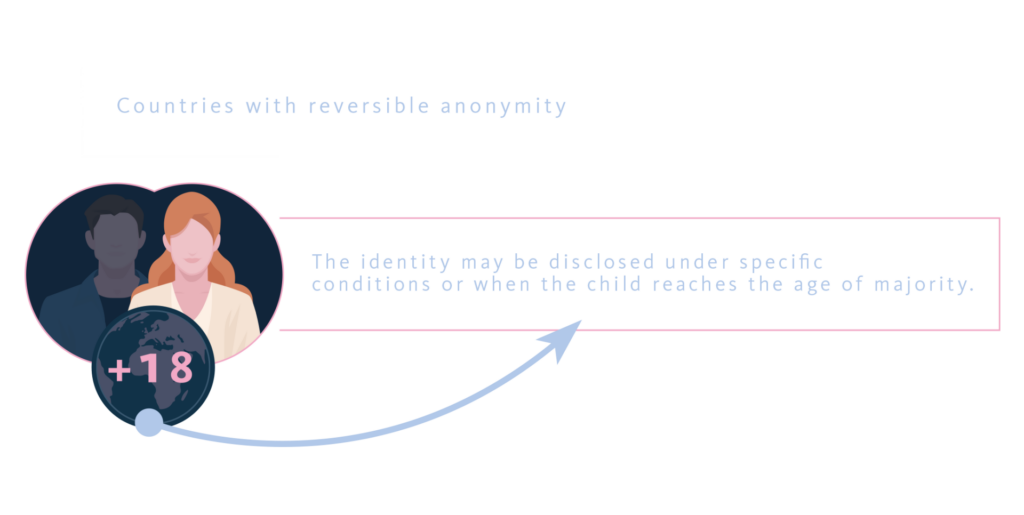
- Countries with reversible anonymity: Those where identity can be revealed under specific precepts or when the child reaches the age of majority.
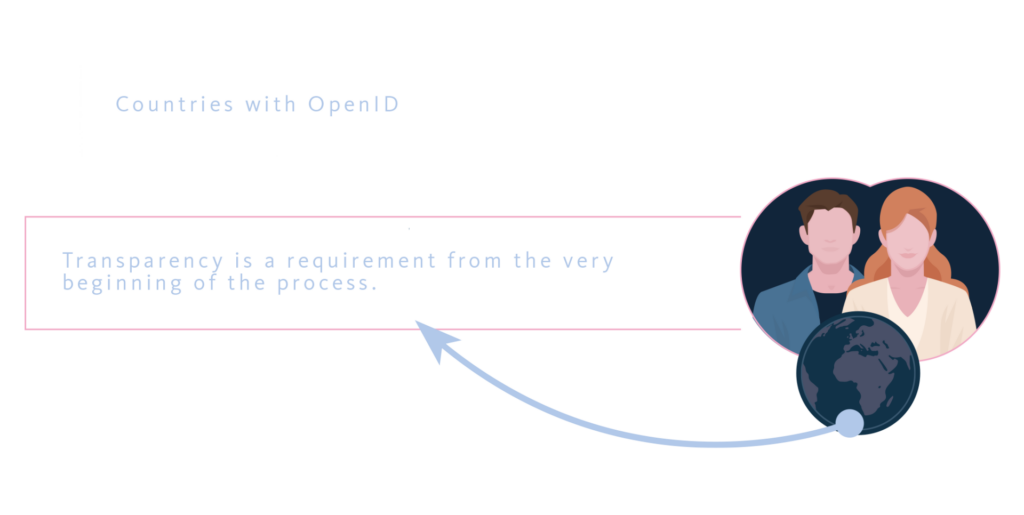
- Countries with Open ID: Where transparency is a requirement from the very beginning of the process.
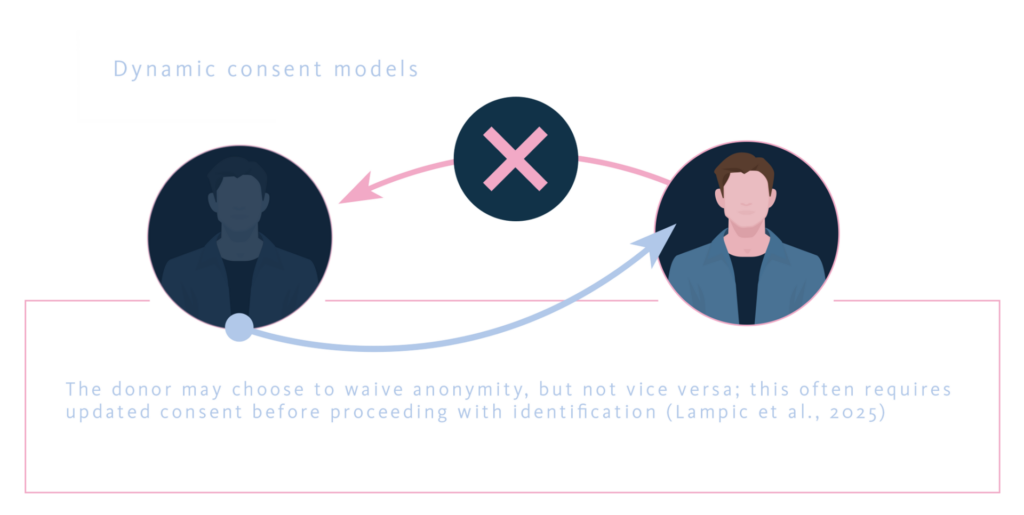
- Dynamic consent models: Clinics where the donor can choose to waive their anonymity, but not the other way around, often requiring updated consent before proceeding with identification (Lampic et al., 2025).
This contractual approach reflects a vision of the past in which clinicians were the sole guardians of identity. However, the current reality is that, even if a physician promises not to disclose data, they can no longer guarantee long-term anonymity.
2. The Impact of Genetic Databases
The growing trend of citizens consulting genetic databases (such as genealogy platforms or direct-to-consumer health tests) has changed the rules of the game.
“The individual requesting a genetic search may end up violating the individual privacy of those they identify and locate, a particularly serious fact when it comes to gamete donors who were contractually assured anonymity” (Pennings, 2019).
Even access to these platforms for personal health reasons can trigger “incidental findings”: individuals who discover that their biological origin comes from a gamete donation without having been previously informed by their parents.
3. Hindsight and Rights: Towards a Necessary Reform?
Recent qualitative studies suggest that the decision to donate is perceived by subjects as a “lifelong decision” (Martin et al., 2025). Nevertheless, the preparation of open-identity donors for the actual release of their data remains a critical point of debate (Lampic et al., 2025).
Added to this is the ethical debate over whether children have an intrinsic right to know their genetic origins (Charles, 2026). This social and bioethical pressure is driving countries with long traditions of anonymity to consider profound regulatory reforms (Redhead et al., 2025).
Conclusion
Anonymity in gamete donation can no longer be understood as an impenetrable “black box.” The intersection between the donor’s right to privacy and the child’s right to identity, coupled with the transparency imposed by modern genomics, forces clinics and biobanks to reevaluate their informed consent protocols.
At Gametia Biobank, we understand that transparency and the education of donors and recipients are the only tools capable of managing expectations in this new biotechnological paradigm.
Referencias Bibliográficas Seleccionadas
- Charles S. Arguments and Analogies: Do Children Have a Right to Know Their Genetic Origins? Hastings Cent Rep. 2026;56(1):32-39.
- Lampic C, et al. Are open-identity donors prepared for release of their identity? Hum Reprod. 2025;40(10):1947-1956.
- Martin A, et al. ‘A lifelong decision’: a qualitative study of retrospective perceptions held by egg and sperm donors. Reprod Biomed Online. 2025;51(3):104986.
- Pennings G. Genetic databases and the future of donor anonymity. Hum Reprod. 2019;34(5):786-790.
- Redhead CAB, et al. Warnock and its contested legacy in relation to donor conceived families: the case for regulatory reform. Hum Fertil (Camb). 2025;28(1).
- Calhaz-Jorge C, et al. Survey on ART and IUI: legislation, regulation, funding, and registries in European countries. Hum Reprod. 2024;39(9):1909-1924.